

After a decade and a half in the ecommerce space, I've seen logistics come a long way – and I've got a feeling where it's headed next.
Micro fulfillment isn't just a buzzword anymore – it's a smart strategy for ecommerce brands that want to stay competitive on speed without breaking the bank or building out massive infrastructure.
In this article, I'll walk you through what micro fulfillment is all about, why it matters, and which companies are actually worth checking out right now.
What's Micro Fulfillment All About?
Micro fulfillment is a logistics approach that's built around small, tech-enabled warehouses plunked right in the middle of urban areas near the end customer.
Unlike relying on a few giant national distribution centers, companies can spread out their inventory across multiple smaller locations to get closer to the customer.
Most modern micro fulfillment centers (MFCs) rely on automation and robotics to crank up speed, cut labor costs, and reduce last-mile delivery time.
Why Ecommerce Businesses Are Suddenly Taking Notice
- Faster shipping: If you're not delivering next-day or even same day, you're probably falling behind.
- Lower fulfillment costs: The last mile is where logistics costs add up to over 50% – micro fulfillment can help trim those expenses.
- Greater flexibility: No need to sign on the dotted line for a warehouse lease or hire a huge warehouse team.
Micro fulfillment is a smart play for ecommerce brands that sell fast-moving consumer goods, especially in competitive spaces like beauty, wellness, fashion and electronics.
What to Look For in a Micro Fulfillment Partner
Not every micro fulfillment company cuts it for every business. Some are great for fast delivery, others are built for high volume.
Here are the features I always check out when evaluating these services.
The Key Evaluation Criteria
- Where they operate: Are their hubs close to where your customers are?
- Automation levels: Do they use robots or lean heavily on manual labor?
- Tech stack: How well does it play nice with your ecommerce platform (Shopify, BigCommerce, etc.)?
- Scalability: Can they handle a sudden spike in orders during peak season?
- Pricing transparency: Are costs predictable and aligned with how many orders you're pushing through?
Comparison Table – Some of the Players to Keep an Eye On
Comparison Table
| Company | Best For | Cities/Coverage | Automation | Per Order Price |
|---|---|---|---|---|
| Fabric | High-volume ecommerce | Major U.S. cities | Full | $4–$6 |
| Attabotics | Custom urban fulfillment | Custom | Full | CapEx-based |
| AutoStore | Large brands & retailers | Global | Full | Hardware-based |
| Deliverr | Shopify ecommerce brands | Nationwide (US) | Medium | $3.75–$5.25 |
| ShipBob | Scaling ecommerce brands | U.S. cities | Medium | $5 |
| Flexe | Short-term fulfillment | Nationwide (US) | Low | $1.50–$2.50 |
The Top Best Micro Fulfillment Companies
Here are the best micro fulfillment providers, based on their tech, pricing, and service model.
These are the ones I think ecommerce businesses should take a good hard look at if they're looking to speed up delivery times and cut their fulfillment costs.
1. Fabric

Fabric is one of the most well-known players in the micro fulfillment space, known for its fully automated MFCs that use robots and AI to get inventory picked and packed faster.
Pros:
- High level of automation – they're basically a no-brainer for high-throughput operations
- Urban locations in major US metros
- Designed for established brands that need to get big volume out the door fast
Cons:
- Minimum order volume might be a bit high for early-stage brands
- Limited self-service options
Pricing:
I know they don't make it easy to find on their site, but based on benchmarks and client reports:
- Setup costs: Often covered by Fabric in exchange for volume commitments
- Per order fees: $4–$6 per order
- Storage fees: Based on SKU volume and velocity
Fabric tends to make the most sense for businesses that are doing 500+ orders per day across several SKUs.
The Bottom Line:
Fabric is a solid fit for established ecommerce brands or big DTC operations that want to automate their fulfillment without building their own network from scratch.
2. Attabotics
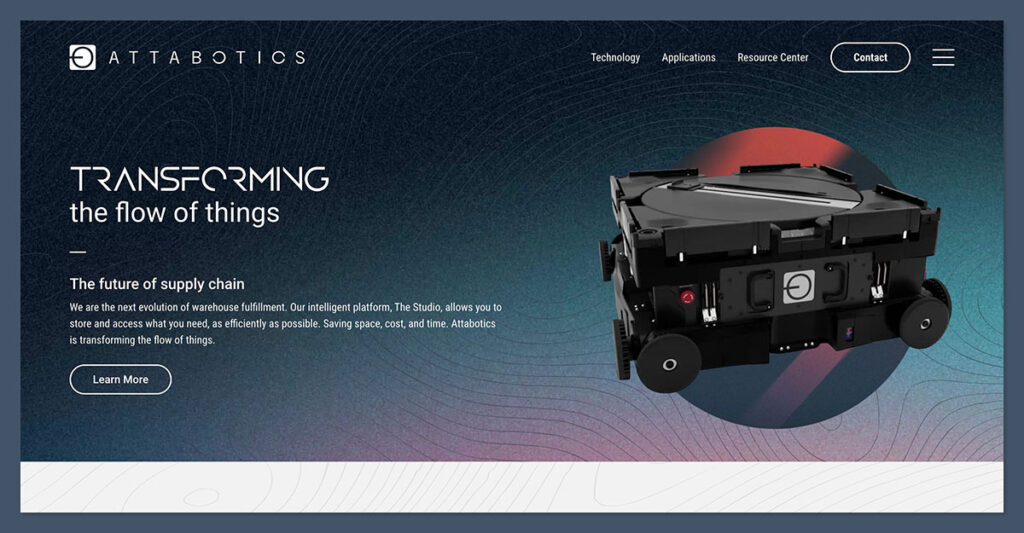
Attabotics reimagines warehouse space using vertical robotics and a cube-based layout. Their model is ideal for dense urban fulfilment or space-constrained locations.
The Upsides:
- They've got a unique 3D robotic system
- They offer high storage density
- Fast picking with low human labor
The Downsides:
- They require a big upfront investment
- More of a tech provider than a fulfilment partner
Cost:
- Initial setup will typically cost 1 million+, depending on scale
- Maintenance includes ongoing support and software licensing
- ROI window is reported to be 3 to 5 years for high-volume clients
The Bottom Line:
More of a long-term infrastructure investment. A great fit for retailers building in-house fulfilment centres with robotic support.

3. AutoStore
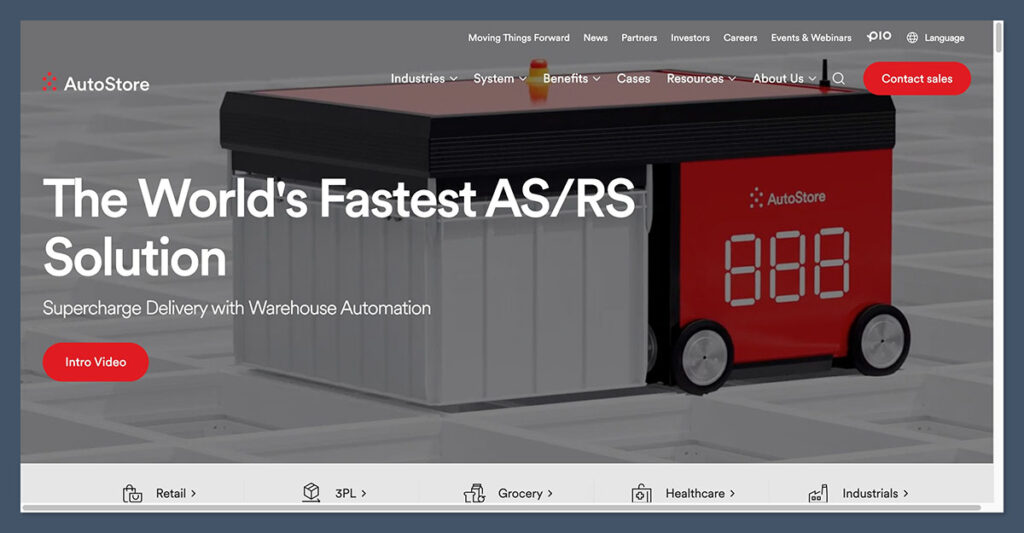
AutoStore is a global leader in cube-based automated storage, used by large retailers and brands with complex inventory.
The Upsides:
- They're highly modular and scalable
- They've got a strong international presence
- They've got a good rep – used by Best Buy, ASDA and Puma
The Downsides:
- They require a systems integrator
- More CapEx than service model
Cost:
- Hardware and software will cost you around 300,000 to 500,000 dollars
- Ongoing costs will include power, licensing and support
- Average cost per pick: Around $0.20 to $0.40, once operational
The Bottom Line:
Great for large-scale ecommerce brands or retailers seeking control over their fulfilment infrastructure.
4. Deliverr (Shopify Fulfillment Network)
Deliverr, now integrated with Shopify, offers fast fulfilment for brands selling on Shopify, Walmart and other major platforms.
The Upsides:
- Seamless for Shopify users
- Nationwide 2-day shipping
- Zero upfront investment
The Downsides:
- Limited customization
- Fewer tools for sku-level control
Cost:
- Per order is $3.75 to $5.25
- Storage is billed by days-on-hand and sku size
- Surcharges are applied for slow-moving or oversized inventory
Shopify Plus brands get additional discounts and faster onboarding.
The Bottom Line:
Great starting point for ecommerce sellers on Shopify who want predictable pricing and national delivery reach.
5. ShipBob Micro Fulfillment
ShipBob is a 3PL provider that now has a presence in micro fulfillment centres in key US cities. Their software is actually super user-friendly & robust, people say.
Pros:
- You can get a simple & easy to use dashboard and all the inventory tools you need
- They have strong ties with ecommerce platforms , making it a breeze to integrate
- They're expanding their foot print of MFCs all over the place
Cons:
- Compared to Fabric or Ohi, they fall a bit short on automation
- Service quality varies greatly depending on the location you choose
Pricing:
- Fulfillment fee: It's around $5 per order typically
- Receiving: Expect to pay $25–$35 an hour for someone to bring in your inventory
- Storage: They charge between $40–$50 a month per pallet
ShipBob often does volume discounts or sets up custom pricing for big volume sellers.
Conclusion:
If you're a fast growing ecommerce brand that wants to keep your shipping speeds fast & without breaking the bank this is a good option.
6. Flexe
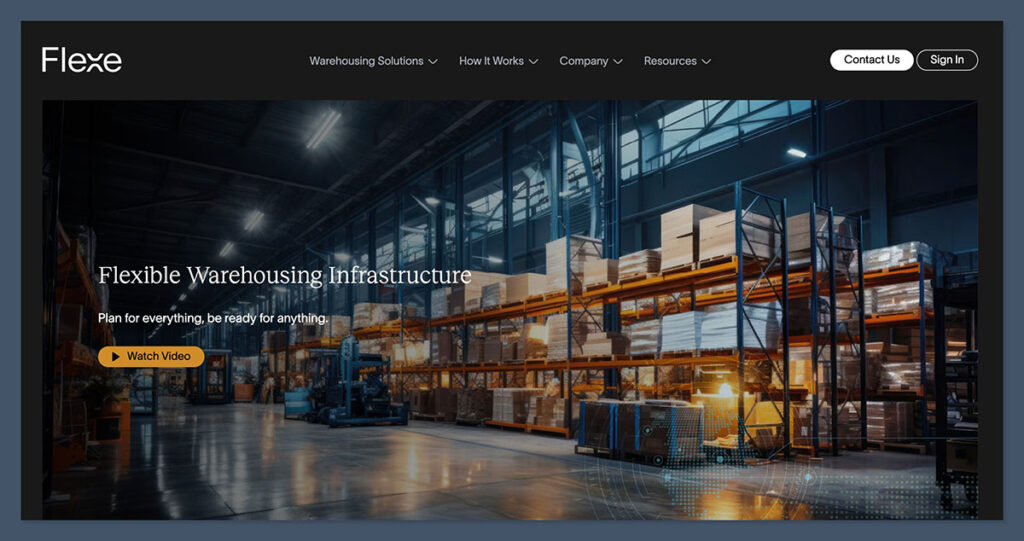
Flexe is a bit of a game changer – it's an on-demand warehousing network that allows ecommerce brands to connect with short-term storage & fulfillment centers on short notice.
Pros:
- No long term contracts to tie you down
- You can get flexible space and service terms
- Their API is super handy for all your integration needs
Cons:
- Don't expect a lot of automation – it's limited
- Getting set up is not exactly a breeze, needs some coordination
Pricing:
- Per order: They charge between $1.50–$2.50 each
- Storage: You pay a custom rate per cubic foot
- Implementation fee: If you are setting things up big time, they may charge a fee
Recommended for brands that need to be agile and aren't ready for a full MFC rollout yet.
Conclusion:
A solid bridge between traditional 3PLs and modern fulfillment. Good for when you need to deal with seasonal volume spikes or temporary geographic expansion.
Final Thoughts
If I’m being honest after a decade in ecommerce, I think I can sum up what I’ve learned about ecommerce logistics in one sentence: speed is everything, but cost control is king.
Micro fulfillment isn’t right for every business. But if you operate in a competitive space where fast delivery can make a real difference to your conversions and retention, the investment will probably pay for itself.
Here’s my quick rundown of recommendations:
- Really high volume DTC? Look at Fabric
- Grocery or perishables? Flexe
- Shopify brand? Deliverr or ShipBob
- Enterprise-level infrastructure? AutoStore or Attabotics
Choosing the right fulfillment partner is everything. Don’t rush it. Evaluate based on real delivery data, your customer base and your growth projections.


Comments 0 Responses