




When it comes to setting up an online store, the choice of ecommerce platform can literally make or break your business.
Two platforms that are really getting a lot of attention – especially for entrepreneurs in Africa – are Shopify and Bumpa.
At first glance, they may seem like pretty similar options – both offer the tools you need to sell online – but when you take a closer look, their capabilities, costs, and target users are actually worlds apart.
Quick Verdict: We Think Shopify Takes the Cake in the End
- Shopify is the way to go if you're building a serious ecommerce business, need advanced sales tools, or want to sell globally.
- Bumpa, on the other hand, is the better fit for small business owners selling on a local level in Africa, especially if you're using WhatsApp or Instagram to connect with your customers, and you want a super mobile-friendly platform that's easy on the wallet and a breeze to use.
In this showdown, I've dived deep into the details of how these platforms stack up.
I'll walk you through the nitty-gritty of pricing, ease of use, sales features, payments, design flexibility, and scalability – whether you're just starting out in Lagos or building a global brand.
This no-holds-barred comparison will give you the inside scoop on which one is the best fit for your business.
Pricing Comparison: Bumpa is the Clear Winner for Affordability and Simplicity
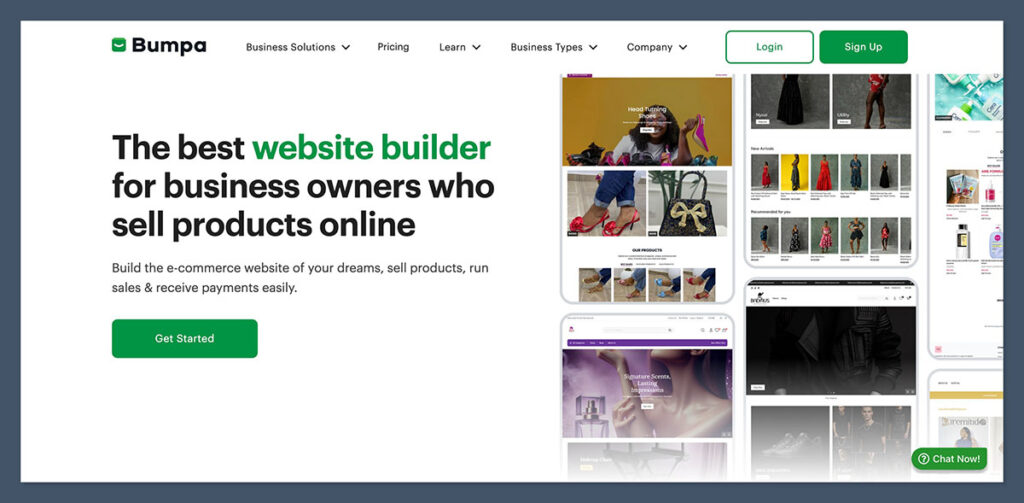
When it comes to pricing, Bumpa really is a bargain – especially for entrepreneurs operating in Africa or with a limited budget.
Their pricing is as simple as it gets, completely transparent and designed with small businesses in mind.
Bumpa Pricing: Built with Small African Businesses in Mind
Bumpa keeps things nice and lean. There are only two tiers:
- Free Plan: It's great for testing the waters or running a side hustle – you get essential ecommerce tools like product listing, order tracking, WhatsApp receipts, and basic CRM.
- Premium Plan: ₦2,000 a month (that's around $1.30 USD) – this unlocks features like bulk uploads, more product listings, SMS marketing tools, branded invoices, and deeper customer analytics. No hidden fees, no surprise app charges, and no need to buy a custom domain. It's a mobile-first, super fast way to get online without breaking the bank.
Shopify Pricing: It's Powerful, But It Comes at a Cost
Shopify's pricing reflects its position as a global, full-service ecommerce platform. There are three main plans:
- Basic – $39 a month: Perfect for new sellers – you get an online store, multichannel selling (social and marketplaces), abandoned cart recovery, basic reports, and up to 1,000 inventory locations.
- Grow – $105 a month: Adds professional reports, more advanced shipping and discount features, and 5 staff accounts.
- Advanced – $399 a month: Designed for high-volume businesses, with advanced reporting, third-party calculated shipping rates, and more customization.
You also get a 3-day free trial and Shopify often runs promos like 3 months for $1 a month.
But here's the thing – extra costs can add up quickly:
- Many apps are paid ($5–$100 a month each)
- Premium themes range from $180 to $500
- If you don't use Shopify Payments (which isn't available in most African countries), you'll pay transaction fees on top of your payment gateway's fees – 2.0%–0.5% depending on your plan
Pricing Verdict: Bumpa Takes It
If your goal is to get started quickly, spend as little as possible, and sell to local customers, Bumpa is the clear winner – it's way cheaper and easier to maintain.
Shopify is incredibly powerful, but it's an investment – one that only pays off if you're growing or targeting international markets.
Ease of Use: Bumpa Wins for User-Friendliness and Mobile Experience
For entrepreneurs new to ecommerce, ease of use is everything.
If a platform feels confusing or slow to set up, that could delay your launch or leave you stuck with half-built storefronts. And that's exactly where Bumpa really shines.
Bumpa: Built for Sellers Who Don't Want to Mess Around with a Laptop
Bumpa is 100% mobile-first. Everything – from adding products to sending invoices – is done within its mobile app.
If you're used to chatting with customers on WhatsApp or Instagram DMs, the transition to Bumpa feels completely natural.
No coding, no understanding of hosting or domains, and no complex dashboard to learn. Just upload a product, enter a price, and share the link with a customer. Easy peasy.
Even features like sending automated WhatsApp receipts or generating invoices are integrated super smoothly with your phone's interface.
Shopify: More Powerful, But More Setup Required
Shopify is pretty intuitive compared to other website builders, but it's not as simple as Bumpa. You'll need to:
- Choose and customize a theme* Connect Your Domain
- Set up Your Payment Gateways
- Add Apps for Specific Functions (Shipping Rates, SEO, Upsells)
- Tinker Around in Their Web-Based Dashboard
Shopify's mobile app lets you keep tabs on orders and handle basic management, but you'll still need to fire up your computer to build or customise your store.
The initial learning curve is doable, but it's there – especially if you've never run a shop online before.
Ease of Use Verdict: Bumpa Takes the Win
If you're after a shop that just works right out of the box and can be managed from your phone with no issues, Bumpa's the clear winner.
Shopify's better suited for users who're comfortable playing with tech or have some time to figure out the system.
Sales Features: Shopify Scores Big

When it comes to the built-in ecommerce features, Shopify is a real heavyweight.
It's designed to handle anything from a one-product dropshipping site to a full-on ecommerce brand with thousands of SKUs in stock.
Shopify's Ecommerce Features
Shopify is a seriously full-featured platform with the tools to support some serious growth. Key features include:
- Abandoned Cart Recovery: Automatically gets in touch with shoppers who didn't complete checkout
- Product Variants: Create different size/color/material combinations
- Discount Engines: Set up some pretty advanced promotions and coupon rules
- Inventory Sync: Sell across platforms like Amazon, Facebook, Instagram, and keep your stock levels in check
- Customer Profiles: Track order history, shopping habits and preferences
- Real-Time Analytics: See how your sales are doing, how your products are performing, and how your marketing campaigns are working
Plus, you can tap into Shopify's massive app ecosystem to add:

- Loyalty programs
- Upsell funnels
- Subscription billing
- Advanced shipping integrations
Shopify also supports in-person sales, via Shopify POS, making it a solid choice for sellers who do a bit of both online and offline.
Bumpa's Sales Features
Bumpa goes for a more streamlined approach, which is perfect for sellers who are all about mobile-first sales. Features include:
- Product Listings: Simple but effective catalog
- Customer CRM: Save buyer names, birthdays and order history
- Receipts and Invoices: Sent via WhatsApp or SMS
- Basic Stock Management: Helps you avoid overselling
- WhatsApp Integration: Orders tracked and shared through chat
- Broadcast Messaging: Send promotions to your customer base
These tools work a treat for sellers managing 10-100 orders a week, especially those selling fashion, beauty or food locally.
Sales Features Verdict: Shopify Takes the Win
Bumpa is perfect for starting out and handling basic orders on the go.
But if you're planning to scale – and especially if you're running paid ads or syncing inventory across multiple platforms – Shopify has more control and deeper functionality.
Payment Options: Bumpa Wipes the Floor
For African sellers, being able to accept payments in Naira, mobile money or bank transfers is a must.
While Shopify supports global gateways, Bumpa’s integration with Nigerian payment systems makes it the clear winner.
Bumpa: Local Payments Made Easy
Bumpa integrates directly with:
- Paystack
- Flutterwave
Which means customers can pay by:
- Cards
- Bank transfers
- USSD
- Mobile money (Flutterwave supports it, although there's limited availability)
There's no need to set up API keys or external gateways, the process is nice and simple.
Shopify: Loads of Gateways, But a Bit More of a Hassle
Shopify supports over 100 payment methods, including:
- Stripe
- PayPal
- Apple Pay
- Google Pay
- Manual payments
For Nigerian sellers, you can use Paystack or Flutterwave, but it requires a bit of setup – typically involving installing a third-party integration app and configuring API keys.
Shopify Payments, the default gateway for most users, isn't available in Nigeria, which means you'll probably be paying extra transaction fees if you're not using it.
Payment Options Verdict: Bumpa Wipes the Floor
If you're selling to a local audience, Bumpa's payment system is faster to set up and better optimised for African financial tools.
Shopify is stronger for international sales, but the setup process isn't ideal for sellers just starting out.
Design and Customisation: Shopify Steals the Show
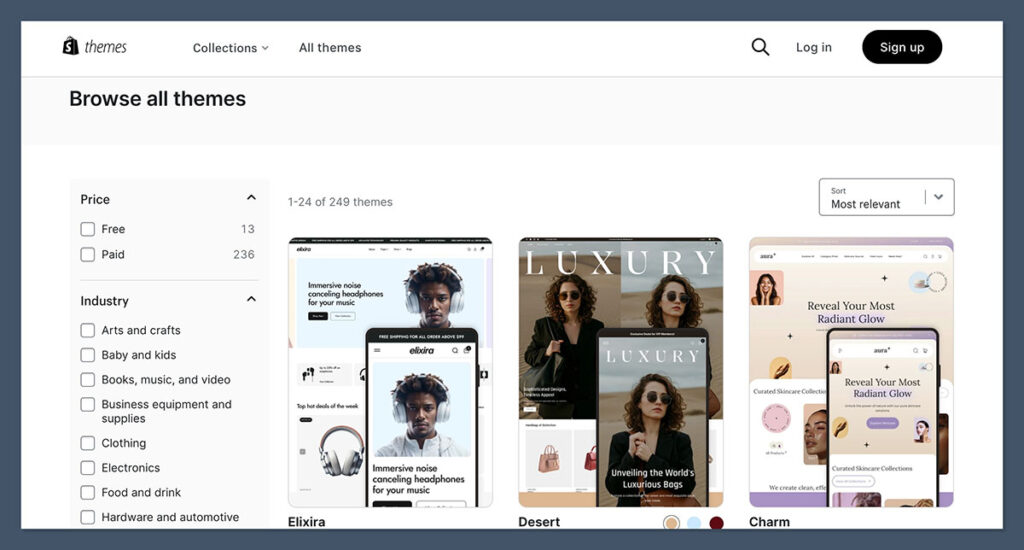
If branding and storefront presentation is a big deal for your business, Shopify offers way more design flexibility and customisation options.
Shopify: Pro-Level Themes
- 13 Free Themes
- 180+ Premium Themes ($100-$500 one-off)
- Full HTML and CSS access for developers
- Themes are optimised for mobile and desktop
- Templates tailored to specific industries (fashion, food, electronics, etc.)
You can fully customise your homepage, product pages and checkout to get a modern ecommerce site that looks polished and professional, thanks to the tools provided by Shopify.
Bumpa: Simple Storefronts with a Low-Key Branding Approach
Bumpa doesn’t come with built-in themes. That might sound a bit limiting, but what it does give you is a straightforward product catalogue that can be shared via a mobile-friendly link.
You can mess with the essentials – like logo, brand colours, business name and contact details.
There’s no blog to worry about, no design customisation, and no building a multi-page site. It’s a lot more like a smart product catalogue than your average full website.
Design Decision: Shopify Reigns Supreme
Shopify is your best bet if you want a unique brand experience or plan on running ads and driving traffic to your storefront.
Bumpa keeps things refreshingly simple – which is perfect for sellers who are focused more on direct sales than on trying to be the next big thing in visual storytelling.
Scalability and Long-Term Growth: Shopify Nails It When It Comes to Future-Proofing
If you're thinking of growing your business beyond the realm of a side hustle, you won’t outgrow Shopify.
Shopify: Built to Scale Up
- Shopify Plus is there for enterprise brands
- Handles stores doing $100 million+ annually with ease
- International shipping, tax, and multi-currency support
- Headless commerce and API access for custom builds
- Apps available for wholesale, subscriptions, and B2B selling
- Easy integrations with fulfilment services, ERPs and CRMs
Bumpa: Perfect for Microbusinesses – But Only For Now
Bumpa is just the right fit for sellers making under $10K/month and managing fewer than 100 SKUs.
But, you need to know that there’s no multi-store feature, no multi-language support, and no tools for dealing with advanced shipping or international tax setup.
It’s a great option for getting started, but if your sales ever take off, you’ll probably hit its limits pretty quickly.
Scalability Verdict: Shopify Wins This One Hands Down
For small sellers, Bumpa will do the trick. But, if you want to build a serious ecommerce brand that can scale and compete with the big boys, Shopify is the smarter long-term investment.
Final Verdict: Shopify Wins Overall, Bumpa is Ideal for Beginners
| Use Case | Best Platform |
| Local business, small budget | Bumpa |
| Global or high-growth ecommerce brand | Shopify |
| Fast, mobile setup | Bumpa |
| Advanced marketing & automation | Shopify |
| Design flexibility and branding | Shopify |
| Built-in African payment support | Bumpa |
If you’re just starting out, selling mostly through WhatsApp or Instagram, and working with a tight budget, Bumpa is a fantastic platform that will get you online in a flash.
But, if you’re building a business that needs the advanced tools, the room to grow, and the flexibility to scale up globally, Shopify is the way to go in the long run.


Comments 0 Responses