

Plenty of creators want to launch a brand, but that doesn’t mean they want to run a whole business. They start off wanting to sell premium merch to their fans. It sounds easy, and profitable, when you consider that the creator economy is worth billions. Unfortunately, that simple task ends up inheriting a lot of work, and tech along the way.
You end up with an ecommerce platform like Shopify, then a print-on demand app, then tax management tools, then customer service headaches. If you even want to think about scaling the load goes up: tools for downloads, memberships, and task management.
Fourthwall is built around a very specific refusal: creators shouldn’t have to run all of that.
They should be able to launch a brand, monetize it, and deliver quality without taking on the work of 6 full-time employees. It’s exactly that perspective that made me fall in love with the platform.
Fourthwall Review: Quick Verdict
Fourthwall isn’t for everyone. If you’re a “serious” ecommerce operator that wants full control over sourcing, or you need complicated B2B features, Fourthwall won’t replace something like Shopify.
That’s not what it’s meant for. It’s meant for people who want to launch a real brand, without the excess work. Youtubers, musicians, podcasters, nonprofits, startups, and just about anyone with a creative passion (and no time for admin work) love this platform.
Pros:
- No monthly fee to get started
- Merch, digital products, memberships, and donations in one storefront
- Consistent, premium merch quality (no supplier lottery)
- Fourthwall acts as merchant of record and handles global sales tax
- Customer support handled on the merchant’s behalf
- Built-in fulfillment with clear shipping expectations
- Native integrations with YouTube, Twitch, TikTok, and Discord (real creator tools)
- Interface stays out of the way once you’re live
Cons
- Not build for people who want ecommerce to be their full time focus
- Smaller integration ecosystem than Shopify
- Merch pricing reflects quality, not bargain POD
Why You Can Trust This Review
This article is based on real usage of Fourthwall, across multiple accounts and client setups. I’ve built full creator storefronts, published digital products, and tested its fulfillment and payment systems.
I’ve also compared it directly against popular tools like Shopify, Gumroad, and Patreon, using real-world ecommerce metrics like setup time, ease of use, customization, and profitability.
My goal is to give you a clear, unbiased look at what it’s like to actually use Fourthwall as a business owner — not just echo its marketing claims.
What Fourthwall Is (and Isn’t)
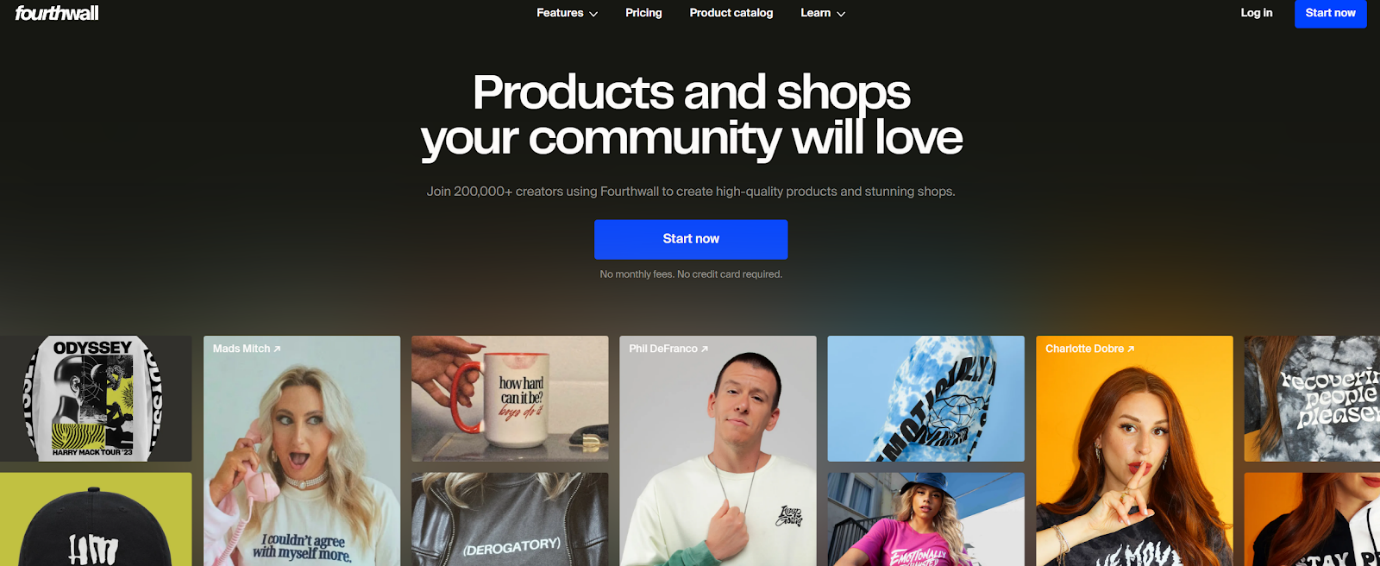
After reviewing enough creator tools, I’ve learned that the hardest part isn’t judging features. It’s figuring out what category a product actually belongs in. Fourthwall gets misunderstood a lot because it doesn’t line up neatly with anything most creators already use.
It’s not really a print-on-demand service in the way Printful or Printify are. It isn’t a membership platform in the Patreon sense. You’re also not getting a general ecommerce platform trying to serve every business type under the sun.
It’s a creator brand platform.
Fourthwall gives you a branded storefront where physical merch, digital products, memberships, and donations all live together. Orders get fulfilled without you chasing suppliers. Taxes are collected and remitted without you learning tax law. Customer support goes to Fourthwall, not your inbox. You set up the products, point your audience there, and get paid.
What you don’t get is an open-ended ecommerce sandbox. You’re not connecting plugins, choosing between thirty print providers, or deciding which tax app talks to which checkout rule.
If you’re a serious ecommerce operator who wants to control sourcing down to the blank SKU, run custom shipping logic, or experiment endlessly with checkout flows, Fourthwall probably won’t work. It’s designed to remove decisions, not multiply them.
But if your goal is to launch a brand around your audience without becoming responsible for quality issues, fulfillment disasters, VAT emails, or angry customers asking where their hoodie is, Fourthwall’s structure starts to make a lot of sense.
Fourthwall Pricing: How Much Do You Spend?
You can start on Fourthwall without paying a monthly fee. No trial countdown. No “upgrade or your store shuts off.” You can build a storefront, add merch from Fourthwall’s collection, sell memberships, accept donations, and start taking orders without committing to a subscription.
That alone puts it in a different bucket from Shopify-style setups, where the base plan is just the beginning and the real bill comes from apps.
There are some costs, obviously. For physical products, Fourthwall sets a base cost for each item. You choose your retail price.
When something sells, Fourthwall deducts the base cost and pays you the difference. Fulfillment, printing, packaging, shipping coordination, and customer support for those orders are all baked into that base cost. You’re not paying extra line items for support tickets or tax handling.
For digital products, there’s a small platform fee (5%) on each sale. If digital products are a big part of your business, the Pro plan removes that fee entirely. Storage limits also jump up on Pro, which matters if you’re hosting larger files or video content.
Memberships work the same way. There’s a flat platform percentage (5%), and that’s it. No separate payment processor surcharge layered on top beyond standard card fees.
The important part, and the one most people miss, is that Fourthwall acts as the merchant of record. That means sales tax in the US and VAT or GST in other regions are handled by Fourthwall, not passed off to you with a “good luck” shrug.
When you are ready to step things up, the Pro plan ($19/month or $180/year) adds a few extras, like a .store domain, unlimited team member support, $120 in free sample credits per year, and 24/7 support. You also get quarterly success calls to help you grow, which is a nice touch.
Fourthwall Review: The Storefront & Website Builder
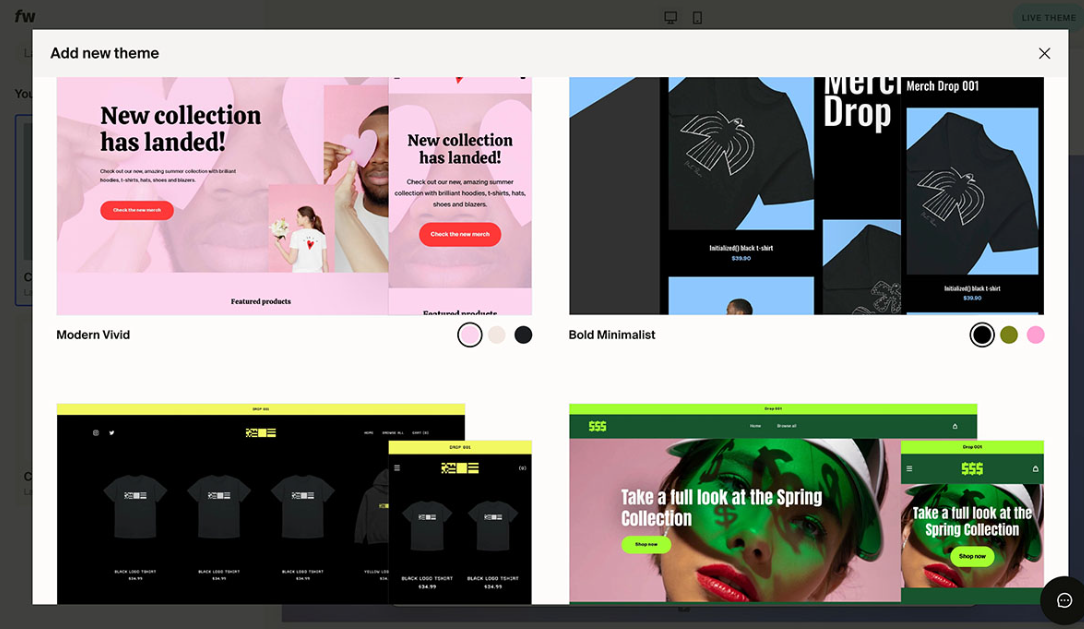
Most site builders fall into one of two traps. Either they’re so rigid everything looks the same, or they give you so many knobs to turn that you end up breaking your own site.
Fourthwall sits somewhere in the middle, and that’s very deliberate.
You’re not just creating a product page, like you do with something like Printful’s Quick Stores. You’re building a small brand site. That means proper pages for things like an About section, FAQs, press kits, drop announcements, or whatever else your audience expects when they click through.
The editor is no-code and simple. You’re choosing layouts, not wrestling with grids. Sections snap into place. Product collections can live inside broader pages, instead of forcing everything into one endless shop feed. You can also customize, tweaking branding, structure, and page flow without needing to think like a developer.
For teams that want to go further, there is a headless setup available, but Fourthwall doesn’t force you down that route.
In general, there’s no cycling through theme after theme. No fixing layout problems with plugins. No wrestling with a template that assumes you’re running a massive catalog when you’re really selling a handful of products and a membership..

Fourthwall Review: The Physical Products You Can Sell
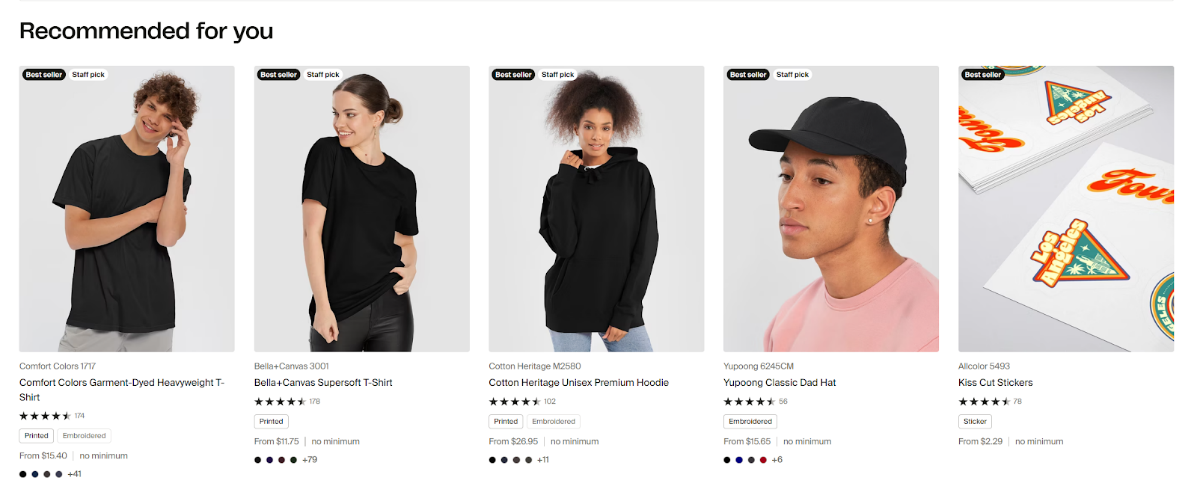
If you’re starting with POD (like a lot of creators), and you’re coming from something like Printify, you’ll notice the difference with Fourthwall pretty quickly.
Printify has the “infinite aisle” thing going on. You can pick from loads of blanks, loads of suppliers, loads of variants, and that sounds like freedom until you remember what’s happening behind the curtain: every supplier has different print quality, different packaging, different consistency. It’s a supplier lottery.
Fourthwall’s product range is more curated. Fewer choices, more confidence. What really matters is the quality control. The company works with printers directly to ensure machines deliver the highest quality. There’s even a Signature collection for luxury items.
Once you go beyond POD, the opportunities compound. Fourthwall also supports:
- Limited-run / MOQ drops (small production runs without the “order 1,000 units and pray” approach)
- Pre-orders and crowdfunding-style drops, so you can fund a run based on real demand instead of guessing up front
- Custom-sourced products beyond standard POD catalogs
That last part matters. A lot of creators want “weird” merch eventually. Not weird in a bad way. Weird as in: plushies, enamel pins, custom accessories, specialty items that don’t come out of the standard POD playbook. Fourthwall’s approach is basically: if it makes sense for your brand and there’s a reliable way to source it, it can live in the same storefront as your tees and hoodies.
You can also list products you source or make yourself alongside Fourthwall-produced merch, which keeps everything in one place instead of splitting your audience across multiple checkouts.
Digital Products, Memberships & Donations

With Fourthwall, physical products are just the start.
You can sell the usual things creators sell. PDFs, music files, downloads, access to paid content. Upload limits are generous enough on the paid plan that you don’t immediately hit a wall, and delivery is handled cleanly once someone buys.
What you won’t get is a super elaborate digital marketplace setup. No fancy storefront logic for dozens of SKUs, no complex licensing workflows. That’s fine. The digital tools are built to support a creator’s wider monetization, not replace something like a full LMS or a specialist course platform.
You’ve also got support for memberships, which feel closer to channel subscriptions than traditional SaaS memberships. You’re gating content, posts, videos, and perks.
You can host video directly or embed from places creators already use. Content can be grouped into series, which makes it feel less chaotic once you’ve been posting for a while. Members can interact, like content, comment, and get access tied to their role, too.
Donations are also an option, which is good. Not every fan wants a hoodie. Not every supporter wants a membership. Some people just want a clean way to say thanks. Fourthwall gives you that without turning it into a guilt-laden upsell, and without any fees on donations.
There’s also the “custom mobile app” option, available on all plans. That just lets you set up a branded mobile app that acts as a home base for your audience. You can play with push notifications to keep customers engaged, set your own benefits, tiers for memberships, and upselling strategies too.
This isn’t a custom app studio. You’re not building complex flows or bespoke features. And that’s fine. Fourthwall treats the app as an engagement layer, not a development project.
Fourthwall Review: Sales Tools and Integrations
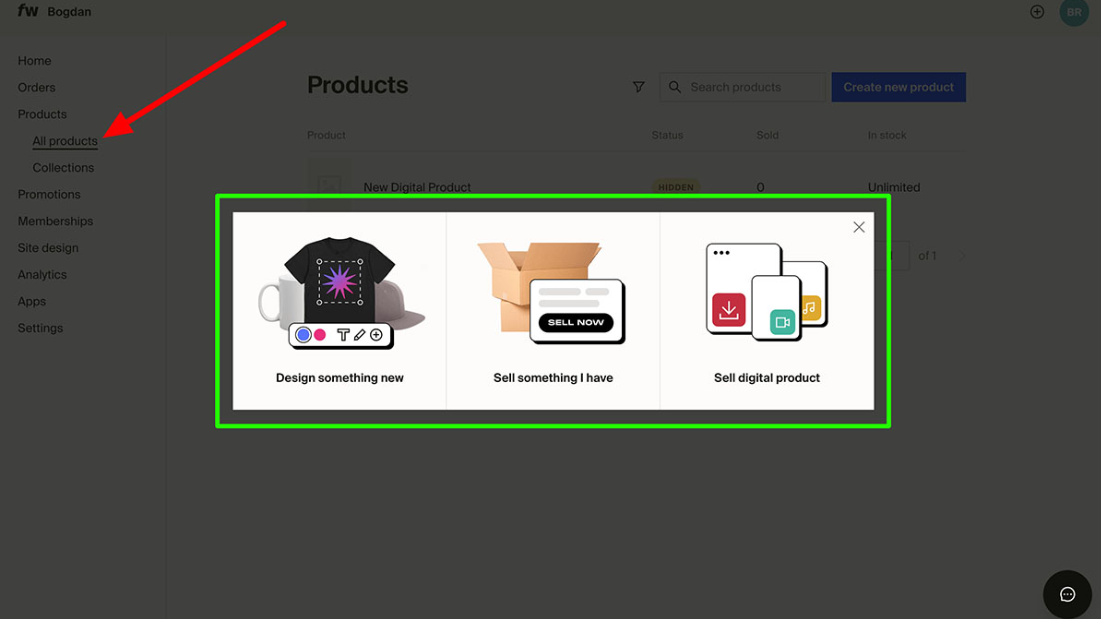
With some platforms, it feels like you either get buried in “growth features” or you’re stuck with nothing. Fourthwall isn’t like that.
You get the fundamentals you actually need to run merch drops and membership pushes without feeling like you’re missing something obvious. Promo codes are flexible enough to cover real use cases: percentage discounts, fixed amounts, limited-time sales, giveaway-style links. Bundles are built in, which helps for average order value.
Gift cards are there. Thank-you messages are there. Direct messages to supporters exist, which is useful if you want to acknowledge buyers or nudge people toward memberships without blasting an email list. Analytics are basic but honest: orders, revenue, product performance. You can see what sold and when. You’re not pretending to run a growth team.
Where things get more interesting is integrations.
Fourthwall doesn’t try to plug into everything under the sun. It focuses on the places creators already send people. YouTube’s merch shelf works the way you’d expect it to. TikTok Shop is supported. Twitch product gifting is part of the setup. Discord roles connect directly to memberships. Streamlabs and StreamElements are there for live creators who actually use them.
That list matters more than raw quantity. You’re not browsing an app store wondering which plugin breaks your site. The integrations exist to meet audiences where they already are, not to build a sprawling marketing stack.
Merchant of Record & Customer Support
This is probably the biggest thing separating Fourthwall from all other creator platforms I’ve used.
On most creator setups, you’re the merchant of record by default. That means you’re responsible for collecting the right taxes, and remitting them. You’re responsible for knowing when VAT applies, when it doesn’t, and what happens when a customer emails asking why they were charged extra.
Fourthwall takes that off the table.
They act as the merchant of record, which means Fourthwall handles sales tax in the US and VAT or GST in other regions. Orders go through their system. Tax collection and remittance are their responsibility. You get paid out. That’s it.
Customer support works the same way. If someone’s order is late, damaged, missing, or wrong, that conversation goes to Fourthwall. Not you. You don’t need a help desk. You don’t need canned replies. You don’t wake up to angry messages because a package is stuck in transit.
There are boundaries. If you sell something you source or fulfill yourself, that’s on you. But for Fourthwall’s catalog products, support is part of the deal. That takes a surprising amount of work off your plate immediately.
Who Fourthwall Is For: My Verdict
Fourthwall works best if you already have an audience, or a customer base, and you’re starting to feel the friction of selling things online. You’re posting regularly. People click your links. Maybe you’ve run a few merch drops or memberships already, and the fun part is slowly being crowded out by admin.
It’s also a strong fit if you want to sell online but find the process intimidating. If you don’t want to invest money upfront or spend weeks learning how ecommerce works just to get started, Fourthwall’s zero-fee entry and handled logistics make that barrier a lot smaller.
That’s the person Fourthwall is built for.
It’s especially strong for anyone who wants to scale without hiring help or learning how ecommerce actually works behind the scenes. You get merch, digital products, memberships, donations and more all in one place, with fulfillment, tax handling, and customer support handled for you. You stay focused on what you make. The platform absorbs the boring risk.
Obviously, if you want total control over sourcing, shipping logic, experiments, or integrations, this will feel boxed in. If you enjoy building systems, you’ll get bored.
I wouldn’t recommend Fourthwall to everyone. I wouldn’t build a complex ecommerce operation on it. But for creators who want to launch a real brand without turning into an ecommerce operator, it’s one of the cleanest, least stressful setups I’ve reviewed. If you want to give it a try, you can start for free here.


Comments 0 Responses