

With over 300 hours spent researching and testing the top ecommerce platforms for print on demand, our in-house team and I have shortlisted the best options for sellers looking to launch or grow a POD business.
Shopify stands out as our top recommendation, offering powerful selling features, smooth POD integrations, and a scalable setup that works for both beginners and experienced store owners.
In this guide, I’ll walk you through the pricing, integrations, pros, and drawbacks of each platform, so you can confidently choose the one that fits your goals.
Our Top Picks for Print on Demand Ecommerce Platforms
- Shopify – Best for scaling a dedicated POD brand
- Wix – Best for beginners launching small catalogs
- Etsy – Best for instant audience and low-cost entry
- BigCommerce – Best for built-in ecommerce features
- Squarespace – Best for branded and design-focused stores
- WooCommerce – Best for full customization and SEO
- Square Online – Best for in-person sellers adding ecommerce
Quick Comparison Table
| Platform | Rating | Starting Price (USD) | POD Integrations | Best For |
|---|---|---|---|---|
| Wix | 4.8 | $27/month | Printful, Printify | Beginners and small catalogs |
| Shopify | 4.7 | $29/month | Printful, Printify | Scaling a dedicated POD brand |
| Etsy | 4.4 | Free to start | Printful, Printify | Selling to an existing audience |
| BigCommerce | 4.3 | $39/month | Printful, Printify | Growing stores with fewer apps |
| Squarespace | 4.2 | $23/month | Printful | Creative and brand-focused stores |
| WooCommerce | 4.5 | Free (plugin only) | Printful, Printify | Full control and SEO flexibility |
| Square Online | 4.0 | Free plan available | Manual or indirect | In-person + online selling |
1. Wix: Best for Beginners and Small POD Brands
Rating: 4.5/5
Starting price: $29/month, billed annually
Free plan: Available, but you can’t take payments
Integrates with: Printful, Printify, Modalyst, Spocket
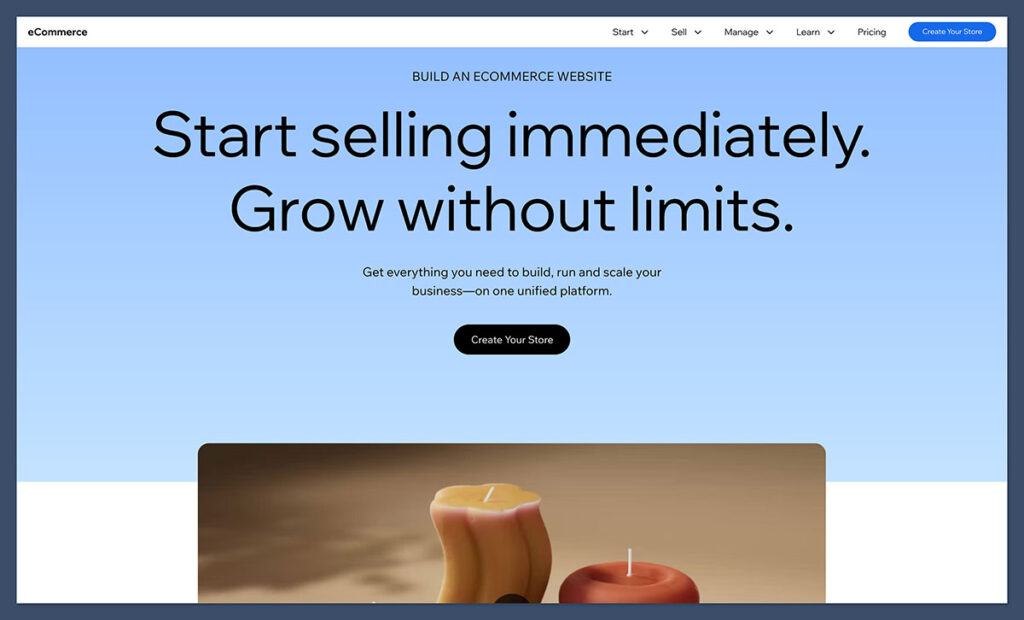
Wix has jumped into the top spot for beginners and smaller POD brands in 2026, mainly because it does such a good job at reducing the amount of work you need to do to get your website live. You’ve got the Harmony editor which makes it simple to design and update a store with the Aria assistant, then make your final tweaks in the no-code editor.
There’s also plenty of freedom for companies to integrate with the print on demand solutions they prefer. Printful can embed straight into your Wix dashboard, so you can pick an item, add artwork, choose mockup images, and adjust the price without logging into two separate accounts. Printify works well too, with products and descriptions that sync automatically to Wix.
You’ve also got plenty of tools that can help you grow your POD business quickly, including multiple payment options (with Buy Now Pay Later options), integrated email marketing with abandoned cart workflows. When I tried building a POD store with Wix, I had something that looked great, and worked seamlessly up in less than a day.
Wix might not have the scale of something like Shopify, but it’s definitely one of the more convenient, low-effort options for new creators.
Pros:
- Very beginner friendly, particularly with the new Harmony tools
- Good integrations with both Printful and Printify
- Hundreds of great templates to get you started
- Orders tracking and management features in the Wix app
- Supports service-based businesses, subscriptions and bookings too
Cons:
- Not as many POD app integrations as something like Shopify
- Core price has been increased from $27 to $29 per month
- Templates can’t be easily changed for your store
Pricing Overview
| Plan | Monthly Price | Features Included |
| Core | $29 | Payments, basic ecommerce, 50GB storage |
| Business | $39 | Standard ecommerce, 100GB storage |
| Business Elite | $159 | Advanced ecommerce, unlimited storage |
Although there is a free plan for beginners and the Light plan available for $17 per month, neither of those support online sales. Smaller businesses will probably have no problem getting started with the simple Core plan, which lets you accept payments and connect a POD app easily.
The Business Plan is better if you need more storage, as well as additional ecommerce tools, and customization options. The Business Elite plan is probably only going to appeal for a scaling POD seller that’s already bringing in a decent amount of revenue every month.
Bottom Line:
Wix is an easy first pick for someone who wants to run a small POD brand or creator shop without spending weeks on the initial design process. It’s easy-to-use, still reasonably affordable considering how much you get, and great if you’re already planning on using Printful or Printify.
2. Shopify: Best for Scaling a POD Brand

Rating: 4.7/5
Starting price: $29/month (billed annually)
Free trial: 3 days + $1/month for 3 months
Integrates with: Printful, Printify, SPOD, Gelato, Teelaunch
Shopify is still my top pick for anyone who wants to take print on demand seriously. It’s the most popular ecommerce platform in the world, and it shows. It’s incredibly polished, easy to set up, and integrates perfectly with the biggest POD tools.
I connected my Shopify store to Printful in just a few clicks, and it worked seamlessly. Product syncing, order routing, fulfillment automation, it all ran without needing to tweak settings.
Shopify’s app store also has dozens of other POD tools, giving you more options as you scale.
What stood out most to me was how Shopify can grow with your store. You can start small, then add upsells, email automation, or even custom packaging later on. That flexibility is hard to match.
Pros:
- Seamless setup with Printful, Printify, and others
- Full control over your product pages and checkout
- Huge app marketplace for marketing and operations
- Strong community and support
Cons:
- Additional app costs add up quickly
- Premium themes can be expensive
- Transaction fees if you don’t use Shopify Payments
Pricing Overview:
| Plan | Monthly Price | Notable Features |
|---|---|---|
| Basic | $29 | Standard ecommerce features |
| Shopify | $79 | Professional reports and extra staff accounts |
| Advanced | $299 | Lower fees, advanced analytics |
The Basic plan is designed for new and small print on demand stores that need core ecommerce functionality without unnecessary complexity. It supports unlimited products, integrates fully with Printful and Printify, and includes everything needed to process orders, manage inventory, and accept payments.
The Shopify plan is better suited for growing POD stores that want deeper insight into performance and team access. It adds professional reporting, lower payment processing fees, and more staff accounts, which becomes useful once order volume starts to increase.
The Advanced plan is built for high-volume print on demand brands that need advanced analytics and improved margins. It offers the lowest transaction fees, detailed custom reports, and greater control over shipping rates, making it a strong option for stores scaling aggressively.
Bottom Line:
If you’re planning to build a serious POD brand and want a platform you won’t outgrow, Shopify is the safest and smartest bet. It works especially well with automation tools like Printful, making day-to-day operations almost effortless.
3. Etsy: Best for Instant Audience Access
Rating: 4.4/5
Starting price: Free to open a shop
Integrates with: Printful, Printify, Gooten, Awkward Styles
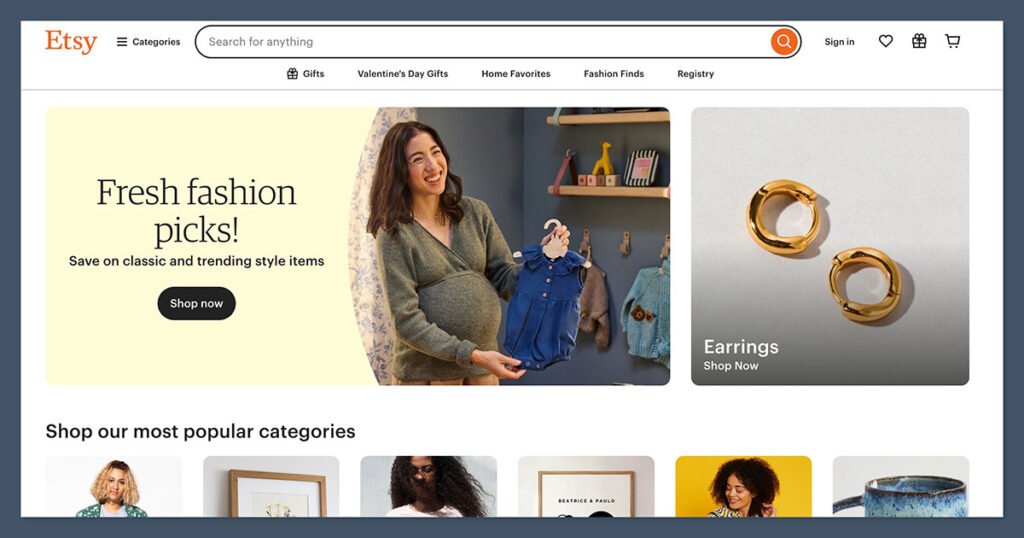
Etsy is the fastest way to get in front of real buyers without building your own website. You set up a store, connect it to a POD platform like Printful, and start listing products. Etsy’s built-in traffic means you can get sales even without doing any paid ads or SEO.
I linked my Printful account to Etsy in under 10 minutes. From there, creating products was straightforward—mockups, descriptions, pricing, all synced directly into my Etsy shop. Orders flowed back into Printful for fulfillment automatically.
But Etsy’s fees can add up. You’ll pay a listing fee for every item, then a transaction fee and a payment processing fee on every sale. It’s still cheaper upfront than paying for a platform like Shopify, but margins can get squeezed.
Pros:
- No monthly fee to start
- Built-in audience of millions
- Easy POD integration with top providers
- Fast way to test product ideas
Cons:
- High transaction and processing fees
- Less control over branding and layout
- Highly competitive search results
Fee Breakdown:
| Fee Type | Amount |
|---|---|
| Listing Fee | $0.20 per item |
| Transaction Fee | 6.5 percent of sale price |
| Payment Processing | 3 percent + $0.25 |
Etsy does not charge a monthly fee to open a shop, which makes it accessible for new sellers looking to start a POD business with minimal risk.
However, each product listing costs $0.20, and Etsy takes a 6.5 percent transaction fee plus a payment processing fee per sale, which can add up quickly as volume increases.
Bottom Line:
Etsy is perfect for sellers who want to get started quickly without building a full site. If you’re testing products or targeting gift buyers and creative niches, it’s a strong starting point.
4. BigCommerce: Best for Built-In Ecommerce Features

Rating: 4.3/5
Starting price: $39/month (Standard Plan)
Integrates with: Printful, Printify, Gooten, SPOD
BigCommerce is a full-featured ecommerce platform that comes with more tools built in than Shopify. If you don’t want to rely on third-party apps for core functionality, BigCommerce is a solid choice.
I found the native features like tax handling, discounting, and multi-currency support useful right out of the gate.
For POD, BigCommerce integrates directly with both Printful and Printify, and the automation worked exactly as expected. It handled syncing product details and routing orders without manual input. The setup experience was clean and reliable.
One thing to be aware of: your plan can automatically upgrade as your sales increase. If you cross the annual revenue limit on your current plan, you’ll be bumped into the next tier, which means higher monthly fees.
Pros:
- No transaction fees, even with third-party payments
- Native ecommerce features without add-ons
- Reliable integrations with major POD tools
- Good for scaling stores
Cons:

- Pricing increases automatically based on sales
- Smaller theme marketplace
- Learning curve is steeper than others
Pricing Tiers:
| Plan | Monthly Price | Annual Sales Limit |
|---|---|---|
| Standard | $39 | Up to $50,000 |
| Plus | $105 | Up to $180,000 |
| Pro | $399 | Up to $400,000 |
The Standard plan includes everything you need to launch a POD store, including unlimited products, built-in payment tools, and basic reporting. It’s ideal for newer stores that want to avoid extra app costs and are still working toward their first $50,000 in annual sales.
The Plus plan offers marketing features like abandoned cart recovery and customer segmentation. It’s best for stores generating consistent traffic and looking to increase conversions and repeat orders.
The Pro plan adds support for larger product catalogs, Google customer reviews, and advanced search filtering. This tier is designed for stores moving into higher sales volume and needing more robust tools to manage growth.
Bottom Line:
BigCommerce gives you powerful selling tools out of the box and doesn’t charge extra fees for scaling. It’s ideal for sellers who want stability and fewer third-party apps.
5. Squarespace: Best for Visual and Branded Stores
Rating: 4.2/5
Starting price: $23/month (Business Plan)
Integrates with: Printful only (natively)
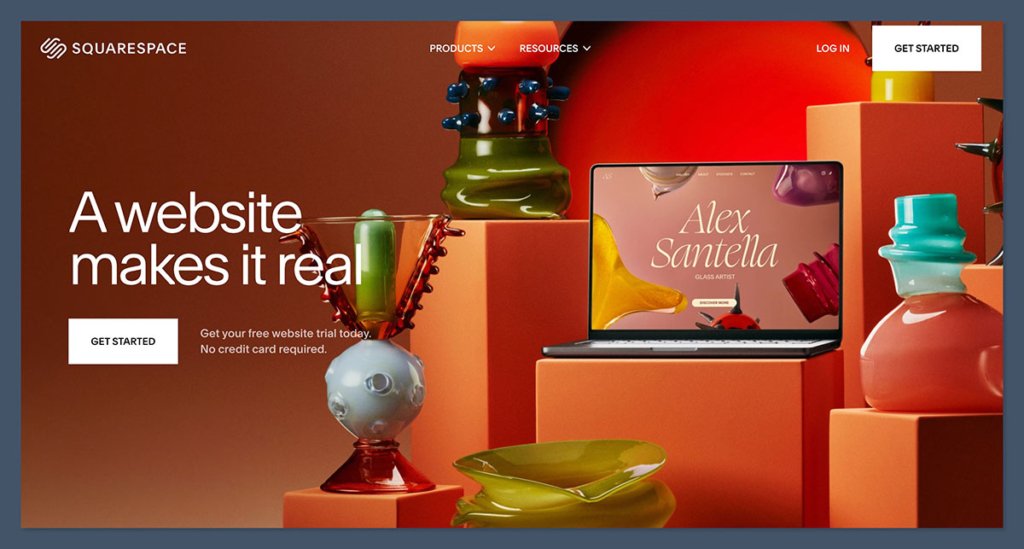
Squarespace is known for its stunning templates, and if you’re a designer, artist, or photographer, it’s probably the best-looking option on this list. I loved how polished everything felt, from the drag-and-drop editor to the product galleries.
While its ecommerce features aren’t as advanced as Shopify or BigCommerce, it handles small POD stores well. Squarespace connects directly with Printful, and I had no issues syncing products or fulfilling orders automatically.
It’s a great platform if you want to sell 10 to 50 high-quality products and focus on storytelling, visuals, or a tightly curated catalog. Just keep in mind there’s a transaction fee on the Business Plan unless you upgrade to Commerce.
Pros:
- Beautiful, responsive templates
- Great for portfolios and creative brands
- Simple POD setup with Printful
- Built-in blogging and email marketing tools
Cons:
- Limited ecommerce flexibility
- Fewer POD options beyond Printful
- Not built for large catalogs
Pricing Overview:
| Plan | Monthly Price | Key Details |
|---|---|---|
| Business | $23 | 3 percent transaction fee |
| Basic Commerce | $27 | Removes transaction fee |
| Advanced Commerce | $49 | Includes abandoned cart recovery |
The Business plan allows you to sell online with integrated ecommerce tools but includes a 3 percent transaction fee. It’s a good starting point for small POD stores that prioritize visual presentation over advanced backend features.
The Basic Commerce plan removes the transaction fee and unlocks key tools like customer accounts and checkout customization. It’s a more suitable option for sellers who plan to generate regular monthly revenue from their storefront.
The Advanced Commerce plan supports subscriptions, advanced discounts, and abandoned cart recovery. It works best for sellers with a defined product strategy and the need to automate more of the customer journey.
Bottom Line:
Squarespace is perfect for creators who want a beautifully branded storefront and plan to sell a smaller range of custom products through Printful.
6. WooCommerce: Best for Full Control and SEO
Rating: 4.5/5
Starting price: Free plugin (you pay for hosting)
Integrates with: Printful, Printify, Gooten, Scalable Press
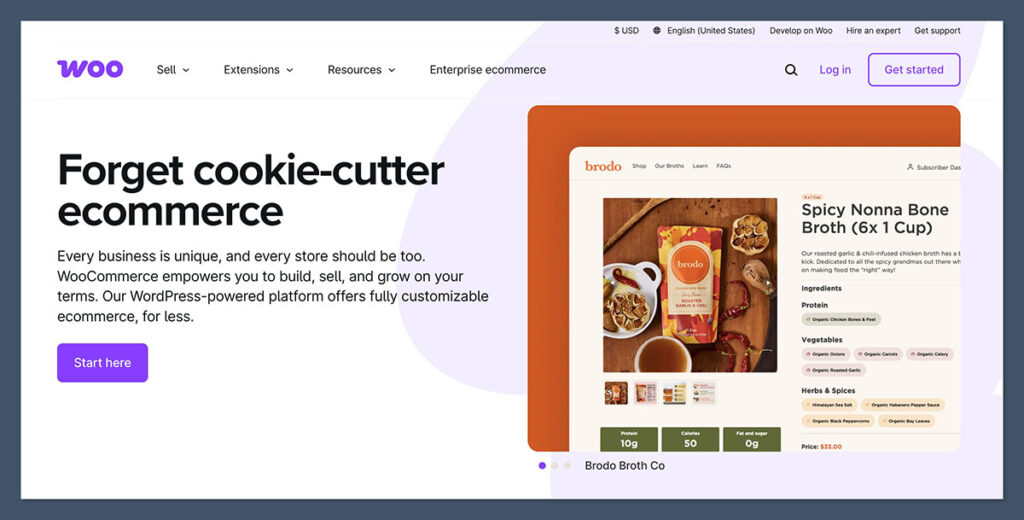
WooCommerce is the go-to option for anyone who wants full control over their website. It runs on WordPress, so you get complete access to every line of code, plus advanced SEO tools and blogging features built in.
I’ve used WooCommerce with Printful, and while setup takes a bit longer than Shopify, the flexibility is worth it. You choose your host, configure your own settings, and customize the storefront exactly how you want it. Once the Printful plugin is connected, everything works automatically (just like Shopify) but with more customization options.
It’s especially good if you plan to publish blog content to drive traffic or want more freedom over design and checkout logic. But you’ll need to stay on top of plugin updates and manage your own performance and security.
Pros:
- Free to install and open source
- Strong SEO and content features
- Total design flexibility
- Easy to integrate with major POD platforms
Cons:
- You manage your own hosting and updates
- Not as beginner-friendly
- Plugin conflicts can happen
Estimated Monthly Costs:
| Item | Typical Price (USD) |
|---|---|
| Hosting | $5 to $30/month |
| Domain | $10 to $15/year |
| Premium Theme | $50 to $100+ |
| Security Plugin | $10/month (optional) |
WooCommerce itself is free to install, but you’ll need to budget for essentials like hosting, a domain, and any premium themes or plugins.
Hosting typically starts around $5 per month, domains cost about $10 to $15 per year, and many sellers invest in a premium theme for $50 to $100.
While the base plugin includes core ecommerce features, advanced tools for SEO, shipping, and design often require additional plugins, which can introduce ongoing costs and maintenance
Bottom Line:
WooCommerce is ideal if you want total control, especially for SEO-heavy sites or content-first businesses. It requires more technical effort, but you’ll save on monthly fees and get a more customizable experience.
7. Square Online: Best for In-Person Sellers Expanding Online
Rating: 4.0/5
Starting price: Free plan available (with Square branding)
Integrates with: Manual Printful/Printify workflows or via Order Desk
Best For: Brick-and-mortar or pop-up sellers who want an online shop
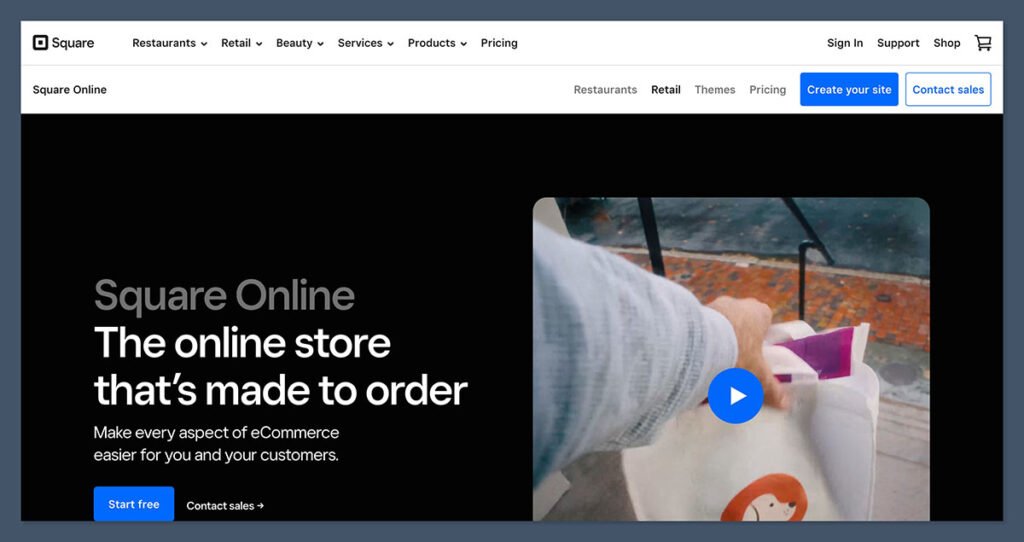
Square Online is a natural choice if you already use Square POS for in-person sales and want to expand your product offering online.
It’s part of the larger Square ecosystem, which includes payment processing, appointment booking, inventory management, and now, ecommerce.
The platform is simple to use, and I found it easy to build a storefront using Square’s guided setup. It’s less flexible than something like Shopify, but it makes a lot of sense for service providers, local businesses, or artists who do events, fairs, or in-person shows.
Square doesn’t have native integrations with POD platforms like Printful or Printify, but you can still run a print on demand operation using manual order processing or third-party middleware tools like Order Desk.
This does require a bit more effort compared to Shopify or BigCommerce, but it works if you’re only selling a limited number of designs.
Pros:
- Free plan lets you start without upfront costs
- Integrated with Square POS and payment tools
- Great for hybrid businesses (online and in-person)
- User-friendly setup process
Cons:
- POD setup is less seamless than other platforms
- Fewer ecommerce features overall
- Best tools are locked behind higher-tier plans
Pricing Breakdown:
| Plan | Monthly Price | Key Benefits |
|---|---|---|
| Free | $0 | Square ads on your site |
| Plus | $29 | Custom domain, site stats, customer accounts |
| Premium | $79 | Lower processing fees, advanced tools |
The Free plan includes basic website functionality and lets you list unlimited products, but your site will display Square branding and lacks full customization options. It’s best for trying out ecommerce with no upfront cost, especially if you’re already using Square in person.
The Plus plan removes Square ads and adds features like customer accounts, email marketing, and real-time shipping calculations. It’s ideal for small businesses that want a more professional storefront and better control over the customer experience.
The Premium plan lowers payment processing fees and unlocks advanced ecommerce analytics and shipping discounts. This plan works well for established sellers who want to streamline fulfillment and maximize margins.
Bottom Line:
Square Online is a smart choice for sellers who already use Square in-person and want to extend their presence online. While it’s not ideal for POD-first businesses, it works well for hybrid models or small storefronts that mix digital and local sales.
Final Recap: Which Platform Should You Choose?
If you’re focused on building a professional, long-term print on demand business, Shopify remains the best all-round platform thanks to its seamless integrations, automation, and scalable tools. It’s ideal for sellers ready to invest in growth.
If you want maximum control and already have WordPress experience, WooCommerce gives you freedom and excellent SEO potential, but you’ll need to handle the tech side.
If speed and low cost matter most, Etsy is the best place to validate product ideas without the overhead of running your own site.
Here’s a quick recap of how the top platforms compare:
| Platform | Best For | Starting Price | POD Integrations |
|---|---|---|---|
| Shopify | Scaling a dedicated POD brand | $29/month | Printful, Printify |
| WooCommerce | Full customization and SEO | Free plugin | Printful, Printify |
| Etsy | Instant audience and low barrier to entry | Free | Printful, Printify |
| BigCommerce | Built-in features for larger stores | $39/month | Printful, Printify |
| Squarespace | Beautiful design and simple catalogs | $23/month | Printful |
| Wix | Beginner-friendly, small stores | $27/month | Printful, Printify |
| Square Online | In-person sellers adding ecommerce | Free plan | Manual, Order Desk |
There’s no one-size-fits-all platform for print on demand, but the right choice depends on where you are in your business journey and how much control or simplicity you’re looking for.
Whether you’re starting with a free Etsy shop to test demand or investing in Shopify to build a long-term brand, each option comes with its own strengths.
Focus on what matters most to your goals – ease of use, custom branding, automation, or access to an existing audience; and choose the platform that aligns with the kind of business you actually want to run.


Comments 0 Responses