

Spoton and Toast are two top-rated POS systems—but which one actually delivers more value?
I’ve spent weeks researching and comparing their features, pricing, hardware, and ecommerce capabilities to help you make the right choice for your business.
After testing both platforms, I can confidently say this:
Spoton is the better all-around option for ecommerce, retail, and service businesses.
Toast is ideal if you're strictly running a restaurant or food business.
Let’s take a closer look at how these two POS systems compare side by side.
Spoton vs Toast POS: Quick Verdict
| Feature | Spoton POS | Toast POS |
|---|---|---|
| Best For | Retail, ecommerce, services | Restaurants only |
| Ecommerce Integrations | Yes | No |
| Hardware Flexibility | High | Low (proprietary only) |
| Payment Processing Rates | Transparent & lower | Less transparent & higher |
| Pricing Structure | Flexible | Higher total cost |
| Best Support | 24/7 phone + chat | Limited unless upgraded |
Spoton POS – Best for ecommerce, retail, and hybrid businesses
Toast POS – Best for full-service and quick-service restaurants
In this detailed comparison, I’ll walk you through how each system performs across hardware, pricing, ecommerce, payments, support, and more.
Quick Comparison: Spoton vs Toast POS
Let’s start with a simple side-by-side breakdown:
| Category | Spoton POS | Toast POS |
|---|---|---|
| Ideal Business Type | Ecommerce, Retail, Services | Restaurants & Cafes |
| Ecommerce Friendly | Yes | No |
| Integrations with Shopify | Yes (via connectors) | No |
| Payment Processing | Spoton (required) | Toast Payments (required) |
| Online Ordering | Via integrations | Built-in for restaurants |
| Hardware Requirements | Flexible | Proprietary only |
| Monthly Software Costs | $25–$195+ | $0–$399+ (plus add-ons) |
| Support Availability | 24/7 live phone/chat | Limited to business hours |
Best for Ecommerce: Spoton POS
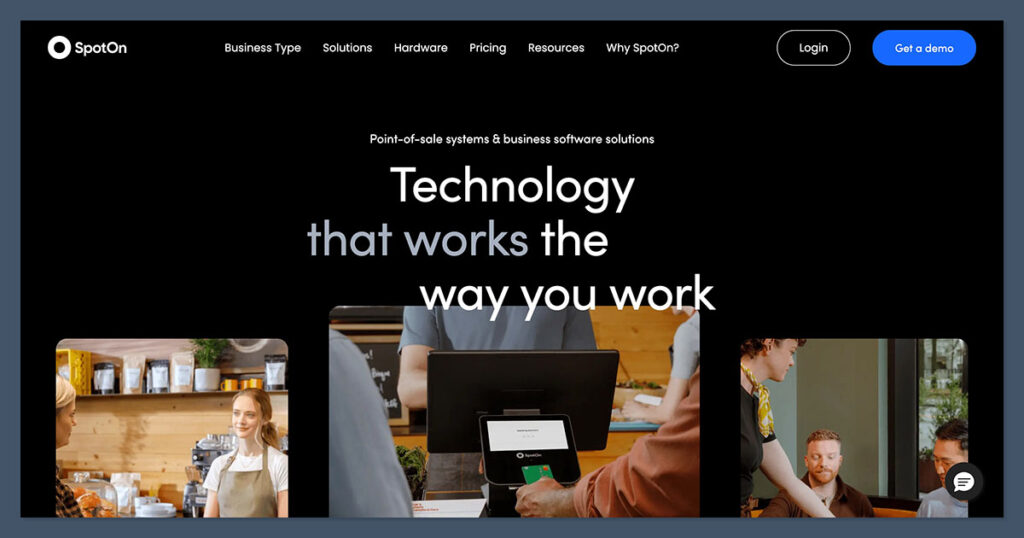
If your business sells both online and in-store—or plans to—Spoton POS is the clear winner. It’s designed to handle both in-person and ecommerce transactions with ease.
I was able to connect Spoton to ecommerce platforms like:
- Shopify
- BigCommerce
- WooCommerce
- Square Online
Through third-party middleware and apps, I could sync inventory across my online store and physical POS. That’s a huge benefit for hybrid retailers or service providers who book online and sell in person.
Toast Is Not Built for Ecommerce
When I tried Toast, I quickly realized that ecommerce wasn’t on the roadmap. Toast only supports:
- Online food ordering
- Delivery and pickup for restaurants
- Digital gift card sales
There’s no integration with retail ecommerce platforms. If you're selling physical products online or running a DTC store, Toast won't cut it.
Winner: Spoton POS
| Feature | Spoton POS | Toast POS |
|---|---|---|
| Ecommerce Integrations | Yes | No |
| Inventory Sync | Yes | No |
| Digital Gift Cards | Yes | Yes |
| Online Ordering | Yes (via partner tools) | Yes (for food only) |
| Multichannel Selling | Supported | Not supported |
Spoton clearly outperforms Toast when it comes to ecommerce functionality. If you're selling products online or across multiple channels, Spoton gives you the tools to manage it all in one place.
Pricing: Spoton Is More Transparent
When comparing pricing between Spoton and Toast, I found that Spoton offers clearer, more flexible pricing, while Toast adds a lot of hidden fees.
Spoton POS Pricing
Spoton uses a tiered model with competitive processing rates:
- Software Plans:
- Starter: $25/month
- Standard: $95/month
- Advanced: $195+/month
- Payment Processing:
- In-person: 1.99% + 25¢
- Online: 2.99% + 25¢
- Hardware can be included with a long-term contract (usually 3 years)
Spoton’s pricing is consistent, and reps are upfront about what’s included. There are no surprise charges for core features like loyalty or reporting.
Toast POS Pricing
Toast gets expensive quickly, especially when you add key features:
- Software Plans:
- Starter: Free (but very limited)
- Essentials: $165+/month
- Custom plans: $300–$400/month+
- Add-Ons:
- Online Ordering: $75/month
- Loyalty: $50/month
- Email Marketing: $75/month
- Delivery: Variable fees
- Payment Processing:
- Estimated 2.49%–2.99% + 15¢ per transaction
- No public rates available
Toast’s pricing looks cheap upfront, but the total cost of ownership is significantly higher once you factor in all the extras.
Winner: Spoton POS
If you’re price-sensitive and want predictable costs, Spoton is the better deal.
Hardware and Installation: Spoton POS Wins Again
Both POS systems come with modern hardware, but there’s a major difference in flexibility.

Spoton POS Hardware
Spoton provides all the essentials:
- Touchscreen POS terminals
- Receipt printers
- Barcode scanners
- Mobile tablets
- Customer displays
But here’s the best part—you can often use your own hardware or mix and match. For example, I connected an existing barcode scanner and thermal printer without any issues.
This helps you avoid unnecessary hardware purchases, especially if you're already set up with tablets or cash drawers.
Toast POS Hardware
Toast runs only on its proprietary Android-based hardware. You’re required to buy or lease Toast terminals, handhelds, and accessories.
While Toast’s devices are durable and restaurant-ready, this model adds upfront costs and limits your ability to scale flexibly.
Winner: Spoton POS
| Feature | Spoton POS | Toast POS |
|---|---|---|
| BYO Hardware | Yes | No |
| Mobile POS Available | Yes | Yes (Toast Go 2) |
| Self-Order Kiosks | Yes | Yes |
| Kitchen Displays | No | Yes |
| Proprietary Hardware | Optional | Required |
Spoton offers more flexibility, especially if you already own compatible hardware or want to keep upfront costs low. Toast’s hardware is reliable, but being locked into proprietary devices limits your options.
Best for Restaurants: Toast POS

Here’s where Toast really shines. It was built for restaurants, and it shows in every feature.
When I tested Toast in a cafe setting, I loved features like:
- Kitchen display systems
- Tableside ordering with handhelds
- Integrated tipping and check-splitting
- Menu management
- Staff scheduling
It’s perfect for:
- Full-service restaurants
- Bars and nightclubs
- Quick-service chains
- Food trucks and pop-ups
Spoton offers some restaurant functionality, but it’s basic by comparison. If food and beverage is your core business, go with Toast.
Winner: Toast POS (for restaurants only)
Payment Processing: Spoton POS Wins for Transparency
Both platforms lock you into their in-house processors, which limits flexibility. But Spoton edges ahead with transparency and cost.
Spoton POS
- Uses Spoton Payments
- Rates: 1.99% + 25¢ (in-person)
- Easy to understand
- No hidden PCI compliance or monthly gateway fees
Toast POS
- Uses Toast Payments
- Rates are not published
- Based on public data, 2.49%–2.99% + 15¢
- Some reports of surprise fees (including termination and compliance charges)
While neither system lets you choose your own payment processor, Spoton’s rates are lower and more predictable.
Winner: Spoton POS
Best for Customer Support: Spoton POS
When you run a busy store or restaurant, support can make or break your day.
Spoton Support
- 24/7 phone, chat, and email
- Live onboarding support
- Dedicated account manager (for most plans)
When I contacted Spoton, I spoke to a real human within two minutes. They handled my request quickly and followed up via email.
Toast Support
- Phone and email support during business hours
- 24/7 support available only on higher-tier plans
- No dedicated rep unless you're on an enterprise plan
Toast’s support is slower and limited unless you’re paying top dollar.
Winner: Spoton POS
Final Verdict: Which POS System Should You Choose?
Here’s my bottom-line recommendation:
- Choose Spoton POS if you run an ecommerce brand, retail store, service business, or a hybrid shop. It’s more flexible, more affordable, and gives you the integrations you need to grow online and in-person.
- Choose Toast POS if you run a restaurant and want specialized features like kitchen displays, tipping options, and menu tools. It’s excellent for food service but doesn’t support ecommerce.
Summary Table
| Category | Best Option |
|---|---|
| Ecommerce Integration | Spoton POS |
| Restaurant Features | Toast POS |
| Hardware Flexibility | Spoton POS |
| Pricing and Value | Spoton POS |
| Support and Reliability | Spoton POS |
| Ease of Use | Spoton POS |
Try Them Both Before You Commit
Both Spoton and Toast offer demos or sales consultations. If you’re unsure, book a session and walk through your real business needs with a rep.
And remember: the right POS system should grow with your business—not hold it back


Comments 0 Responses